
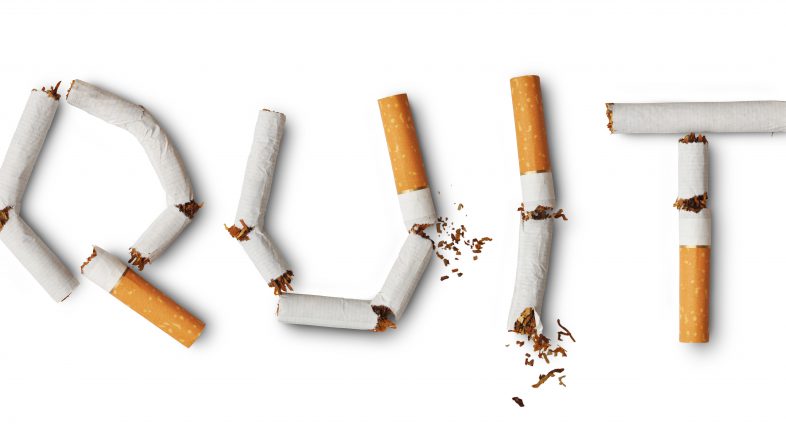
Quitting smoking is the single best thing you can do to improve your life and health. You may smoke for many reasons, but there are even better reasons to quit. Think about your reasons for quitting and what you want to achieve, whether it be health, relationships, or finances.
Programs and Services
We offer:
- Follow-up with trained quit specialists and no cost nicotine patches and gum. These are available by calling our Tobacco Talk Line at 613-966-5500 extension 600.
- School health clinics for local high school students. Contact your guidance office or school Public Health Nurse to learn more.
There are many quit smoking programs and services available for you:
Connect with a registered nurse at Health811 by calling 811 for telephone-based support to stop smoking. Available 24 hours a day, seven days a week.
Your health-care provider
- Contact your health-care provider. They may have smoking cessation support like smoking cessation counselling, medication or other resources.
- Speak to your pharmacist. Many Ontario pharmacists are trained in smoking cessation. If cost is an issue, some of these private insurance and benefit programs may help you with the cost: OHIP+, Ontario Drug Benefit, Ontario Works, Ontario Disability Support, The Non-Insured Health Benefits (NIHB) Program for First Nations and Inuit People.
Smoking Treatment for Ontario Patients (STOP) program
The STOP cessation program offers counselling, support, and Nicotine Replacement Therapy (NRT) (e.g., nicotine patches, gum, inhaler, lozenges, mouth spray) at no cost to people who wish to quit smoking or vaping.
This online program is designed to support eligible individuals aged 18 and older in Ontario who smoke cigarettes and want to quit. This program is unavailable for those wanting to quit vaping. Eligible participants will receive six weeks of Nicotine Replacement Therapy (NRT).
Ottawa Model for Smoking Cessation (OMSC) community program
The Ottawa Model for Smoking Cessation Community Program offers smoking cessation treatment and support to patients in Ontario. Eligible participants will receive six weeks of Nicotine Replacement Therapy (NRT). Call 1-888-645-5405.
Online, phone or text support
Smokers’ Helpline
The Smokers’ Helpline is a free, confidential service run by the Canadian Cancer Society. They provide online tips, tools and support and are available 24-7, seven days a week. Mobile customers can text “iQuit” to 123456 to register.
Talk Tobacco
A free service offering culturally appropriate support and information about quitting smoking, vaping, and commercial tobacco use for Indigenous communities.
Tools for a smoke-free life
Tools and resources from Health Canada to help you become smoke-free.
On the road to quitting
This guide, created by Health Canada, will give you the information and skills you need to successfully stop smoking. Understand what to expect during your quit attempt and learn tips to help you along the way.
Don’t Quit Quitting
Online tips for why to quit, how to quit, and staying quit. Provides information on available resources, testimonials, and resources for health-care providers. DontQuitQuitting.ca
Phone apps
Quash
A free app for youth (14 to 19 years old) and adults who would like to quit smoking or vaping.
My Change Plan (MCP)
A free app developed by clinicians and researchers at the Centre for Addiction and Mental Health (CAMH) to help you quit or reduce smoking cigarettes. Available on Google Play and the App Store.
Why Quit Smoking?
Tobacco use remains the leading cause of preventable disease and death in Canada. If they don’t quit, half of all smokers will die of a smoking related disease. There is no safe level of tobacco use or exposure to second-hand smoke.
The burning of tobacco produces smoke that contains more than 7000 chemicals, including nicotine, tar, and carbon monoxide. These chemicals are harmful to the person who is smoking, but also those exposed to smoke.
Nicotine is an addictive drug that affects the brain and nervous system. It acts as a stimulant and increases heart rate and breathing. Smoking cigarettes and using other forms of tobacco is both physically and mentally addictive.
Carbon monoxide is a poisonous gas formed when tobacco is burned. Carbon monoxide lowers the amount of oxygen carried in your blood, and therefore limits how much oxygen your body gets.
Quitting smoking improves the quality and length of your life and the lives of those around you. You start to become healthier the day you quit.
Benefits of Quitting
- Your blood pressure and heart rate drop within 20 minutes of quitting.
- The amount of oxygen in your blood improves within eight hours and carbon monoxide levels normalize within 12 hours.
- Within two weeks to three months, your circulation improves, and your lung function begins to improve.
- Your risks of heart attack, stroke, and cancer all decrease.
- You will also save money, avoid smelling like smoke, be able to skip trips outside in the cold to smoke, be able to participate in more physical activities, notice improved taste in food, and be a good role model to those around you.